Are your allergy symptoms flaring up in late summer and early fall? If so, ragweed…
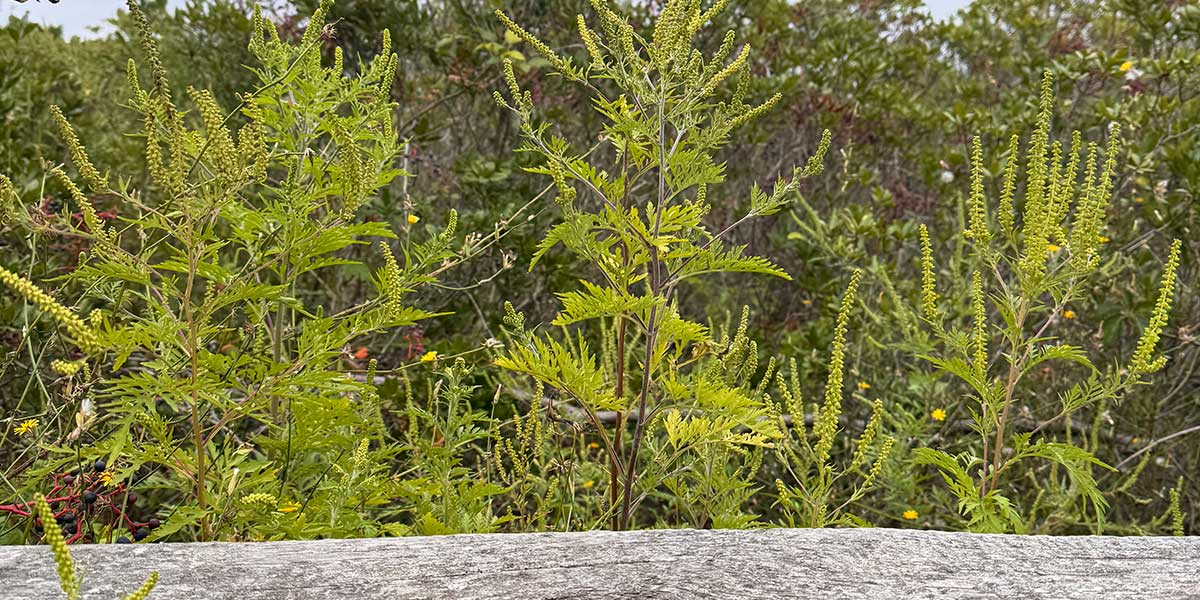
Will Ragweed Season Be Philadelphia and the Delaware Valley’s Worst?
What allergy sufferers in the Philadelphia region need to know about the 2026 ragweed season
If you suffer from seasonal allergies, you may be wondering what this year’s ragweed season has in store. The 2026 ragweed season could be one of the most challenging in recent years for the Philadelphia region.
A combination of above-average temperatures, abundant rainfall, and high humidity can create favorable conditions for ragweed growth and pollen production. For people with ragweed allergy, that could mean more intense symptoms and a longer period of discomfort.
Why Could Ragweed Season Be So Severe This Year?
Ragweed is one of the most important causes of late-summer and fall allergies in the Northeast. A single ragweed plant can produce millions of pollen grains, and the pollen can travel considerable distances on windy days.
Several weather conditions may contribute to a particularly difficult season:
- Heat can accelerate plant growth
Warmer-than-normal temperatures can encourage ragweed plants to grow more rapidly and may contribute to increased pollen production. When warm weather persists into the fall, it can also allow ragweed plants to remain active for a longer period. - Rain promotes plant growth
Rain provides the moisture that plants need to grow. While a heavy rainstorm can temporarily reduce airborne pollen, plentiful rainfall throughout the growing season can ultimately encourage larger, healthier plants—and potentially more pollen later in the season. - Humidity can make symptoms worse
High humidity does not necessarily mean that pollen concentrations will always be higher. However, humid conditions can affect how pollen behaves in the atmosphere and may contribute to pollen remaining closer to the ground.For people already sensitive to ragweed, spending time outdoors during warm, humid weather can be particularly uncomfortable. - Rain doesn’t always mean allergy relief
A common misconception is that rain always makes allergies better.A sustained rainfall can temporarily wash pollen out of the air, providing some relief. However, thunderstorms and rapidly changing weather conditions can sometimes cause pollen grains to rupture into smaller particles that may penetrate more deeply into the respiratory tract.For people with asthma, this can potentially contribute to coughing, wheezing, or shortness of breath.
When Is Ragweed Season?
In the Philadelphia region, ragweed pollen typically becomes a significant problem in August and continues through September, with pollen sometimes remaining present into October depending on weather conditions.
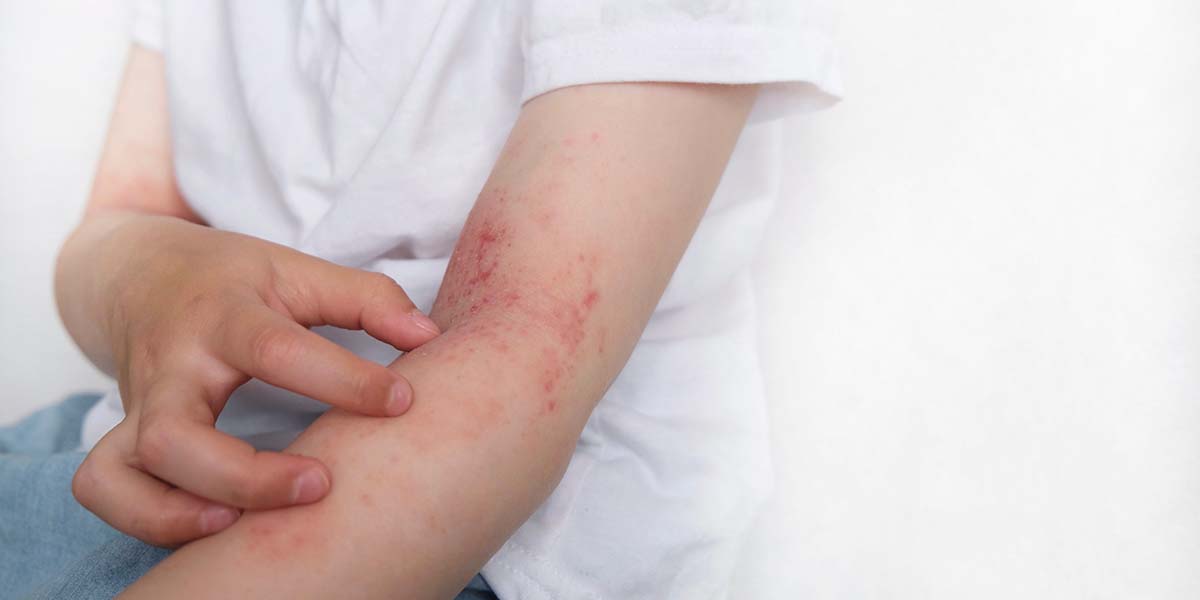
Ragweed allergy can therefore turn what should be the transition from summer to fall into several weeks of sneezing, congestion, itchy eyes, postnasal drip, and asthma symptoms.
What Are the Symptoms of Ragweed Allergy?
Common symptoms include:
- Sneezing
- Runny or stuffy nose
- Itchy nose, throat, or palate
- Watery or itchy eyes
- Postnasal drip
- Cough
- Fatigue or difficulty sleeping because of congestion
People with allergic asthma may also experience increased coughing, wheezing, chest tightness, or shortness of breath during ragweed season.
7 Ways to Reduce Your Ragweed Allergy Symptoms
- Start your allergy medication before symptoms become severe
If you know you are allergic to ragweed, don’t wait until you’re miserable to start treatment.A daily, non-sedating antihistamine and/or an intranasal corticosteroid spray may help control symptoms. For many patients, nasal steroid sprays work best when used consistently rather than only when symptoms are severe.Talk with your allergist about the best medication regimen for you. - Keep windows closed
On high-pollen days, keep your home’s windows closed and use air conditioning when possible. This can significantly reduce the amount of outdoor pollen entering your home. - Check pollen counts
Try to plan outdoor activities around periods when pollen levels are lower. Pollen counts are often higher during the morning and on warm, dry, windy days. - Shower after spending time outdoors
Pollen can accumulate on your hair, skin, and clothing. Showering and changing clothes after prolonged outdoor exposure can help reduce the amount of pollen you bring into your home. - Don’t forget your pets
Pets that spend time outdoors can bring pollen inside on their fur. Wiping down your pet after outdoor activities and keeping pets off your bed can help reduce indoor pollen exposure. - Protect your eyes
If itchy, watery eyes are one of your primary symptoms, sunglasses can provide a simple additional barrier when you’re outdoors. Allergy eye drops can also be very effective for many patients. - Don’t ignore worsening asthma symptoms
Ragweed pollen can trigger asthma symptoms in people who are allergic to it. If you are experiencing increased coughing, wheezing, chest tightness, or shortness of breath, speak with your physician or allergist rather than simply trying to tolerate the symptoms.
Can Allergy Shots Help With Ragweed Allergy?
Yes. Allergen immunotherapy (allergy shots) can provide long-term improvement for patients with significant ragweed allergy.
Unlike medications, which control symptoms while you are taking them, immunotherapy works by gradually changing the immune system’s response to the allergen. Allergy shots can reduce symptoms and medication requirements and may provide lasting benefits after treatment is completed.
Because immunotherapy takes time to build an effective response, patients who know they have significant ragweed allergy should consider discussing treatment before the next allergy season.
Don’t Let Ragweed Ruin the End of Summer
The combination of weather conditions this year could make 2026 a particularly challenging ragweed season for allergy sufferers in the Philadelphia region. But you don’t have to simply endure the symptoms.
The right combination of allergen avoidance, medications, and—when appropriate—allergen immunotherapy can make a significant difference.
If you experience significant seasonal allergy symptoms every August and September, now is a good time to talk with an allergist about a treatment plan.
This information is for educational purposes and is not a substitute for individualized medical advice. If you have questions about your allergy or asthma symptoms, consult your physician or allergist.

Related Posts